
Creative Intelligence Is The New Essential: What Keke Palmer, Solange, Starbucks, and the Creator-in-Residence Model Reveal About the Future of Education, Community, Culture and Work
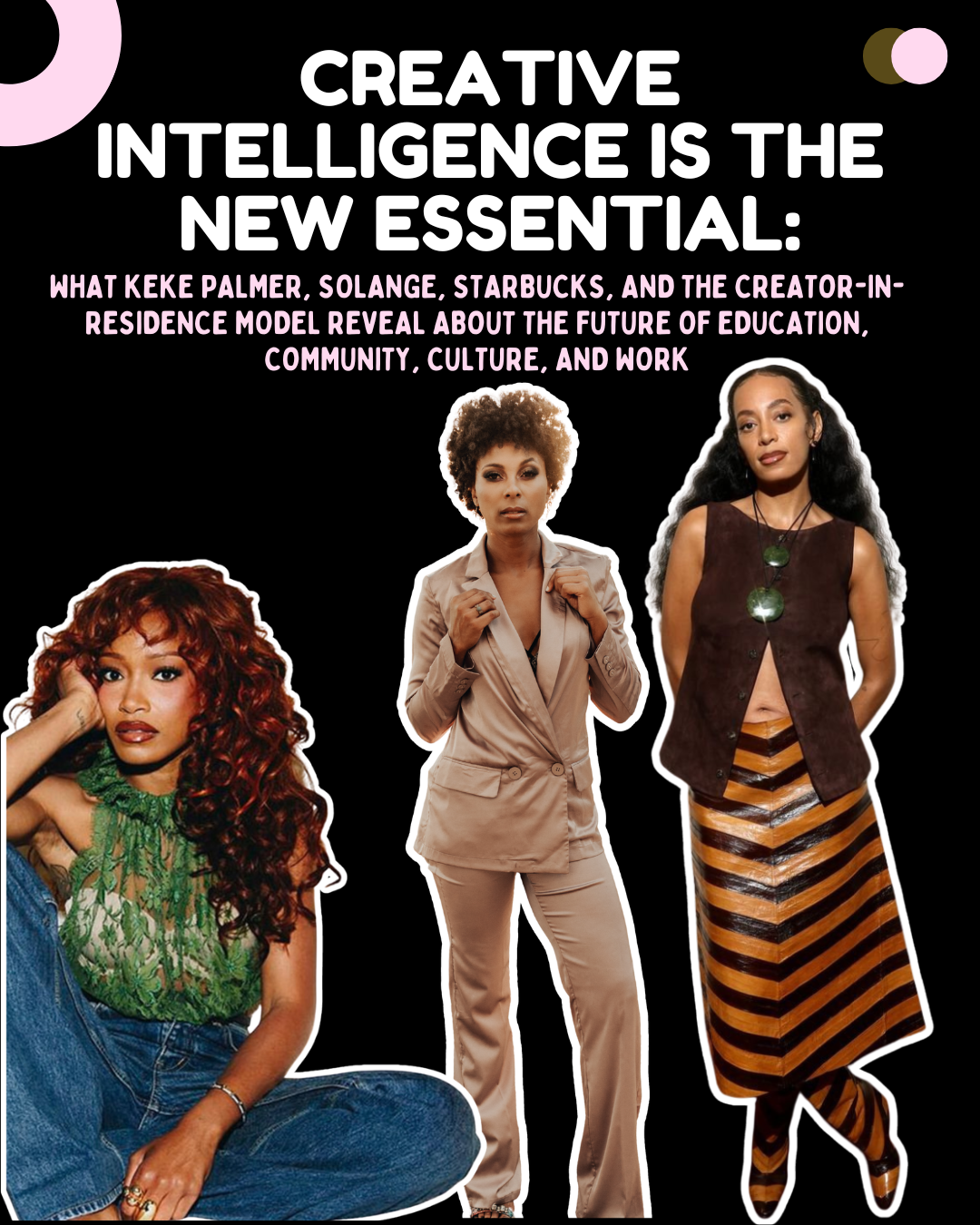
Another headline just confirmed what I’ve been naming for the last 11 months:
Creative intelligence is becoming a trust-building, strategic growth essential.
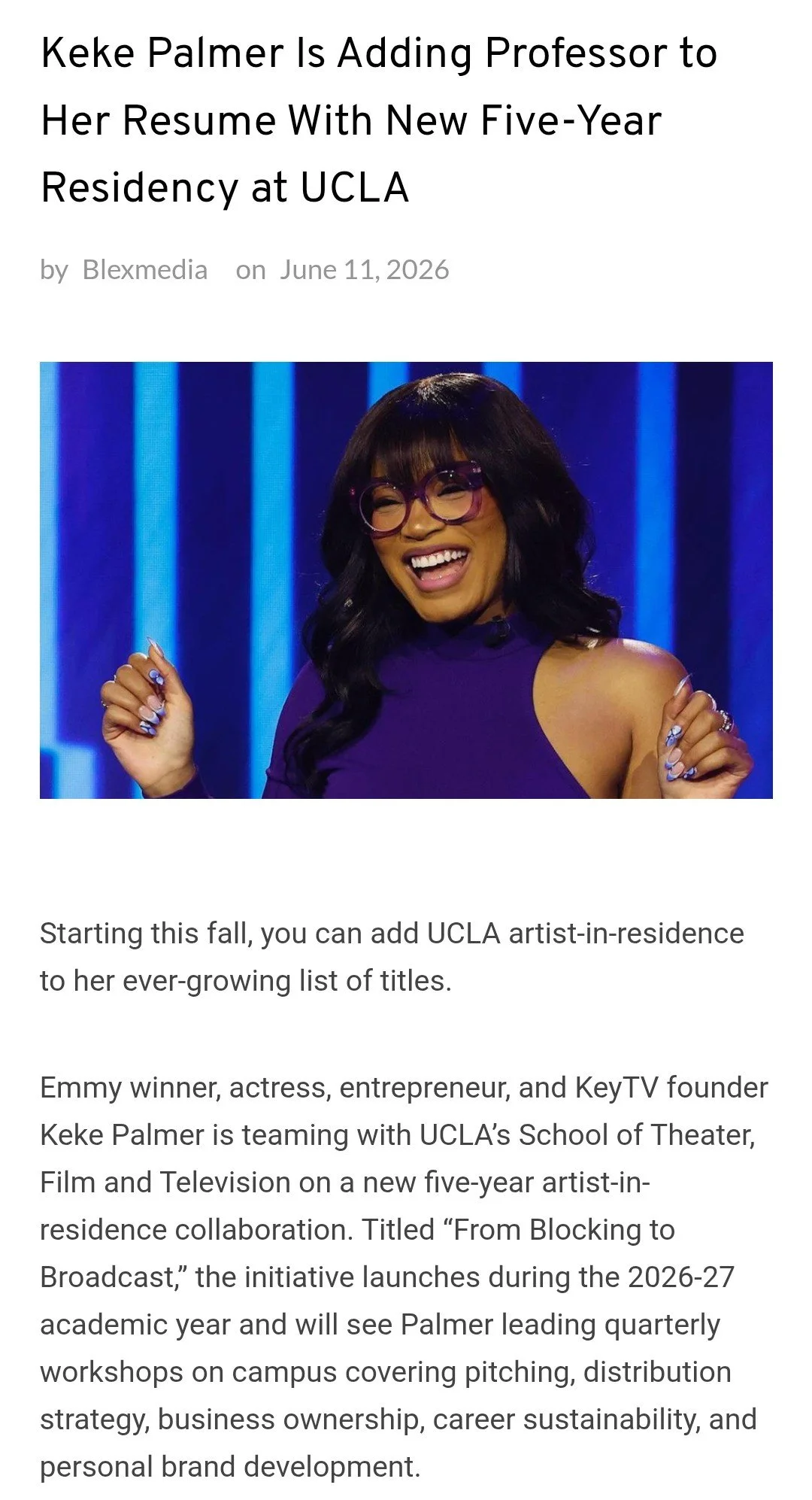
Keke Palmer is entering a five-year Artist-in-Residence collaboration with UCLA.
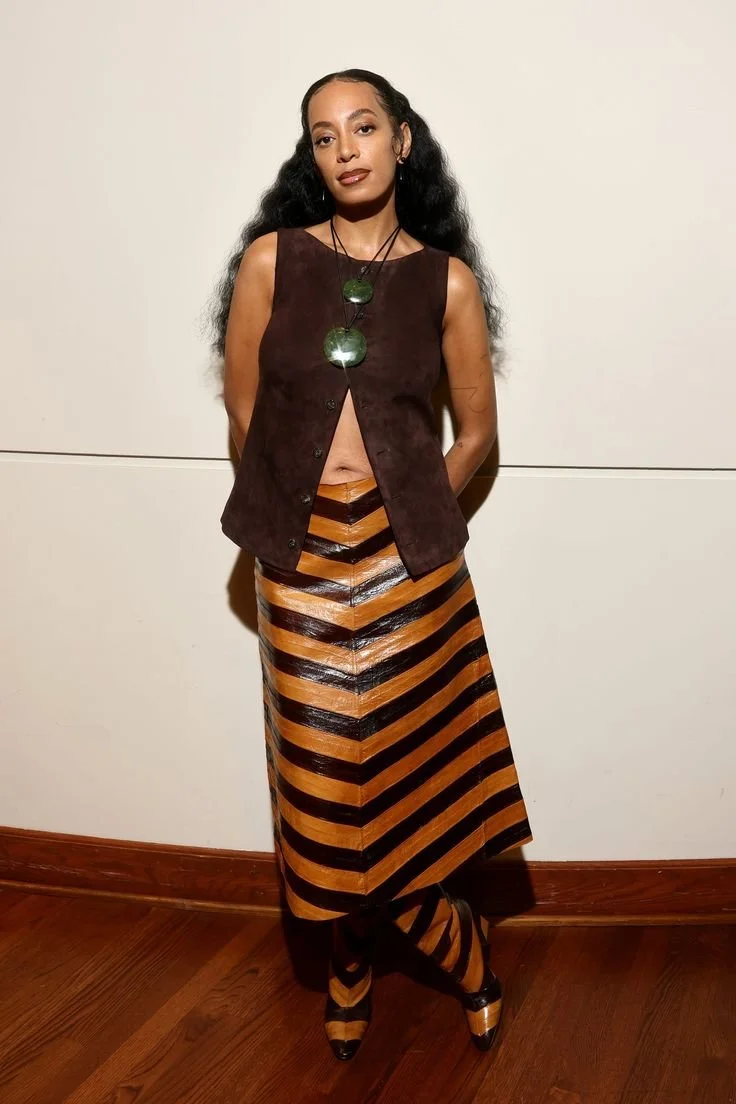
Solange is serving as USC Thornton’s first Scholar-in-Residence.
Starbucks created a Global Coffee Creator role to send storytellers around the world to document coffee, culture, craft, and community.
These are not random announcements. They’re signs that highlight the future of education, work, storytelling, and community-building is changing and that institutions are beginning to recognize what many creators, educators, cultural workers, and community builders have known for a long time:
Creativity is not extra.
Storytelling is not decoration.
Cultural fluency is not a soft skill.
Media literacy is not optional.
Lived experience is not just personal background.
And creative intelligence is not something to bring in after the strategy is already finished.
All of this belongs inside the architecture.
The Old Hierarchy is Breaking
As a former educator, I’ve seen for years how many schools, companies, and institutions treated creativity as a nice-to-have elective, campus club, a side hustle, a marketing function, a “soft skill.”
Creativity was always something adjacent to the real work, but the future of work is shifting. The creator economy is reshaping how young people imagine livelihood, visibility, autonomy, and influence.
Students are watching media, culture, storytelling, technology, and entrepreneurship merge in real time.
Schools are realizing theory is not enough without practice.
Communities are realizing people do not only need information; they need belonging, language, rituals, resources, and spaces to apply what they are learning.
Brands are realizing attention is not the same as trust.
This is why the residency conversation matters.
Not because every artist-in-residence, scholar-in-residence, or creator-in-residence will look the same, nor should they.
The residency conversation matters because the pattern is clear:
Institutions are beginning to formalize creative intelligence as part of how people learn, work, produce, connect, and build culture.
What Keke Palmer’s UCLA Residency Signals
Keke Palmer’s five-year Artist-in-Residence collaboration with UCLA matters because it is not just a guest appearance or celebrity classroom moment. This is a long-term bridge between education, production, mentorship, and distribution.
Through the collaboration, students will have opportunities to develop original content with the support of Palmer and KeyTV.
That matters A LOT.
Students not only need lectures about the industry, but they need proximity, experience, mentorship, feedback. They need to see how an idea moves from concept to execution. They need to understand how to develop their own POV, voice, leadership and business senses. They need examples of people who have built platforms, ecosystems, and pathways outside of traditional permission structures.
That isn’t entertainment fluff, it’s career-connected learning. experiential education.
That is creative infrastructure.
What Solange’s USC Residency Signals
Solange’s Scholar-in-Residence role at USC Thornton matters for a different reason.
It recognizes multidisciplinary creative work as scholarship. Her practice moves across music, choreography, design, architecture, visual art, cultural preservation, curation, and archival work.
That kind of role stretches the boundaries of what institutions often define as expertise. This residency says:
A creative life can be research.
Curation can be pedagogy.
Cultural preservation can be academic practice.
Embodied artistry can produce knowledge.
A multidisciplinary career can belong inside a formal learning environment.
That is powerful.
Especially for students and emerging creatives whose gifts do not fit neatly into one department, one title, one discipline, or one traditional career lane.
What Starbucks’ Global Coffee Creator Role Signals
Starbucks’ Global Coffee Creator role matters from the brand side.
A global company created a full-time storytelling role for creators to travel, document coffee culture, and translate the craft, community, and daily rituals behind the brand.
Again, this is not just content, it’s brand education. This is cultural documentation, employee and customer storytelling. It’s trust-building, experiential marketing.
That is exactly why brands need to stop thinking about creators as short-term attention tools and start thinking about them as cultural infrastructure partners.
The last day of school. My first semester teaching at Arizona State University.

The last day of school. My first semester teaching at Arizona State University.
How This Connects With “Why Didn’t I Learn This in School?”
Last week, I started unpacking the question: “Why didn’t I learn this in school?”
As a former educator, I have seen this gap from the inside.
We prepared people to perform, but not always to adapt.
We prepared people to produce, but not always to regulate.
We prepared people to compete, but not always to collaborate.
We prepared people to earn, but not always to live.
We prepared people to complete assignments, but not always to translate their lived experience into value.
We prepared people to follow pathways, but not always to build new ones when the old ones stopped working.
And now, the world is demanding the very skills many institutions treated as secondary:
Creativity & Storytelling.
Discernment & Emotional intelligence.
Communication & Media literacy.
Cultural fluency & Collaboration.
Self-Trust & Adaptability.
Community-Building & The Ability to Make Meaning in Public.
The Ability to Turn Information into Practice.
The Ability to Create Trust in Environments Where People are Overwhelmed, Skeptical, and Tired.
That is the missing life curriculum showing up in the future of work.

A Creator-in-Residence is Not an Influencer With a Nicer Title
This is why I’ve been developing and writing about the Creator-in-Residence model.
A Creator-in-Residence is not simply an influencer, content machine, or campaign add-on.
They certainly not someone you bring in after the strategy is already done and ask to make it feel human. At its best, a Creator-in-Residence is a cultural translator, story architect, experience designer, community builder, a living bridge between the organization and the people it claims to serve.
The role can help a brand, school, city, community, or institution ask:
What are people actually experiencing?
What are we asking them to trust?
What story is missing?
What learning pathway needs to exist?
What ritual or experience could help people feel connected?
What resources would help people apply what we say we value?
What culture are we building beyond the content calendar?
What does this community need to return to?
That’s the work.
Not just creating content, but building regenerative culture.
From the Attention Economy to the Meaning Economy
The old model asked: How do we get people to look?
The new model has to ask: How do we earn enough trust for people to return?
That’s a different question. Attention can spike. Trust compounds. A viral post can create visibility. A living ecosystem creates relationship. A campaign can generate impressions. A regenerative culture creates memory, meaning, and participation.
This is why the Creator-in-Residence model matters.
Many organizations are still trying to build long-term trust with short-term content strategies.
They want community, but fund campaigns.
They want belonging, but measure only reach.
They want transformation, but resource only promotion.
They want culture, but treat the people who build it as temporary accessories.
That is not sustainable and it’s not regenerative.
I created developed and hosted interview concepts for Tawkify.
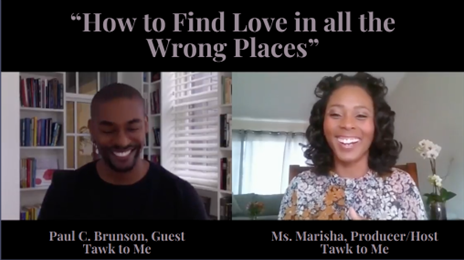
I created developed and hosted interview concepts for Tawkify. My first guest was Paul C. Brunson.
What a Creator-in-Residence Actually Does
A Creator-in-Residence can support narrative systems. This includes:
storytelling frameworks,
founder stories,
community stories,
campaign architecture,
editorial series, and
narrative arcs that reflect real human experience.
A Creator-in-Residence can support ritual and experience design. This includes:
workshops,
recurring gatherings,
reflective tools,
immersive activations, and
community practices that help people feel connected to something living.
A Creator-in-Residence can support learning ecosystems. This includes:
micro-curricula,
reflection prompts,
training materials,
interviews, and
content pathways that help audiences or communities grow.
A Creator-in-Residence can support cultural infrastructure. This includes:
long-term systems that shape how a brand, institution, city, or community behaves, communicates, listens, documents, and connects.
That is why I believe this role can live across industries:
Schools.
Brands.
Cities.
Wellness companies.
Hospitality groups.
Media platforms.
Relationship platforms.
Community organizations.
Cultural institutions.
Social impact initiatives.
Future-of-work spaces.
Health and wellbeing ecosystems.
'“More Than A Mane” event. One of the experience design, storytelling, and strategic partnerships approaches I used to attract, recruit and retain students in an 18-month cosmetology program.
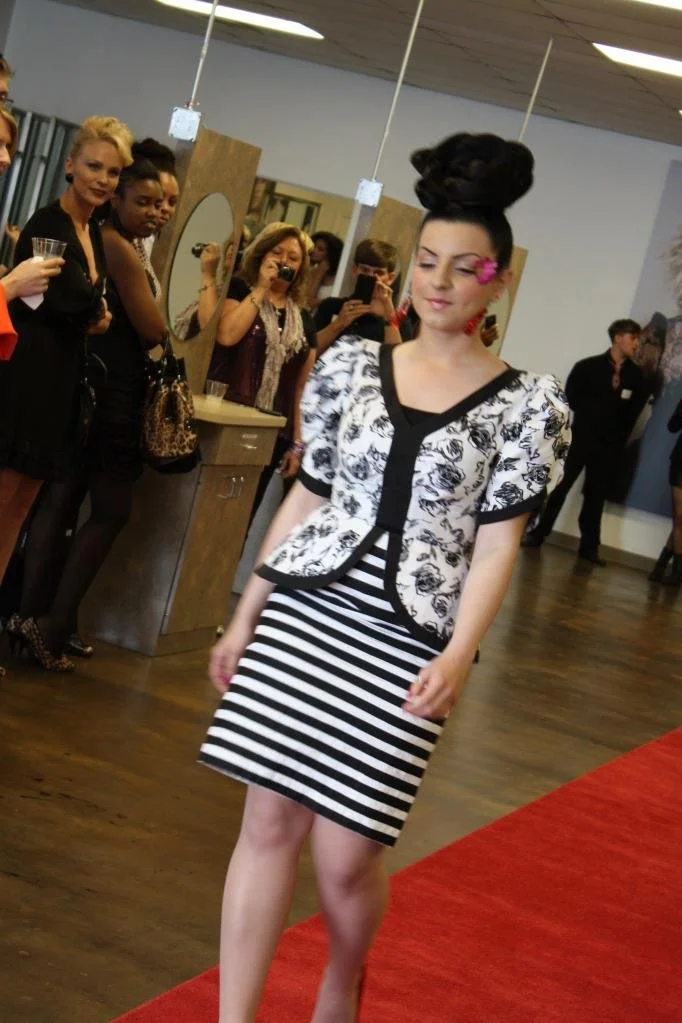
'“More Than A Mane” event. One of the experience design, storytelling, and strategic partnerships approaches I used to attract, recruit and retain students in an 18-month cosmetology program.
The Gap: We Still Confuse Content With Culture
One of the biggest gaps I see is that many organizations still confuse content with culture.
Content is what people consume. Culture is what people participate in.
Content can inform. Culture shapes behavior.
Content can attract attention. Culture builds trust.
Content can tell people what you value. Culture shows people whether you mean it.
That difference matters and especially now.
People are tired, skeptical, overmarketed, under-supported, overstimulated, emotionally depleted, constantly asked to adapt. They do not just need more things to watch.
They need living systems they can learn from, contribute to, and return to. And this is where creative intelligence becomes infrastructure.
Leading the “My Black Is Beautiful” wellness experience at DoorDash - Phoenix Campus

Leading the “My Black Is Beautiful” wellness experience at DoorDash - Phoenix Campus
Why I’m Naming This as an Educator Turned Founder
I am not entering this conversation because the headlines are interesting.
I am entering it because the headlines are catching up to a pattern I have been living, studying, and building through.
As a former educator, I saw what happens when learning is too disconnected from life.
As a storyteller, I saw how people often need language before they can begin to heal, change, or participate.
As a founder, I am building The Exit Strategy Network as a relationship experience ecosystem for people learning how to stop abandoning themselves while rebuilding healthier relationships with the eight dimensions of life that shape wellbeing, work, wealth, creativity, connection, and belonging.
And as someone developing the Creator-in-Residence model, I believe brands, schools, cities, communities, and institutions need new kinds of embedded creative partnerships.
Not to decorate the work.
To deepen it.
Not to chase the algorithm.
To build what outlives it.

What Comes Next
Keke at UCLA. Solange at USC. Starbucks sending storytellers into the world.
These are not isolated moments. They’re signals.
The next curriculum will not only be built in classrooms. It will be built through:
media.
mentorship.
production.
community.
ritual.
lived experience.
cultural memory.
story.
practice.
The new curriculum will be built by people who can translate what the world is becoming into forms others can understand, feel, and use.
That’s why the Creator-in-Residence model matters now. Creative intelligence is no longer extra, it’s essential. The organizations that understand this early will not simply create more content, they’ll build culture people can contribute and return to.
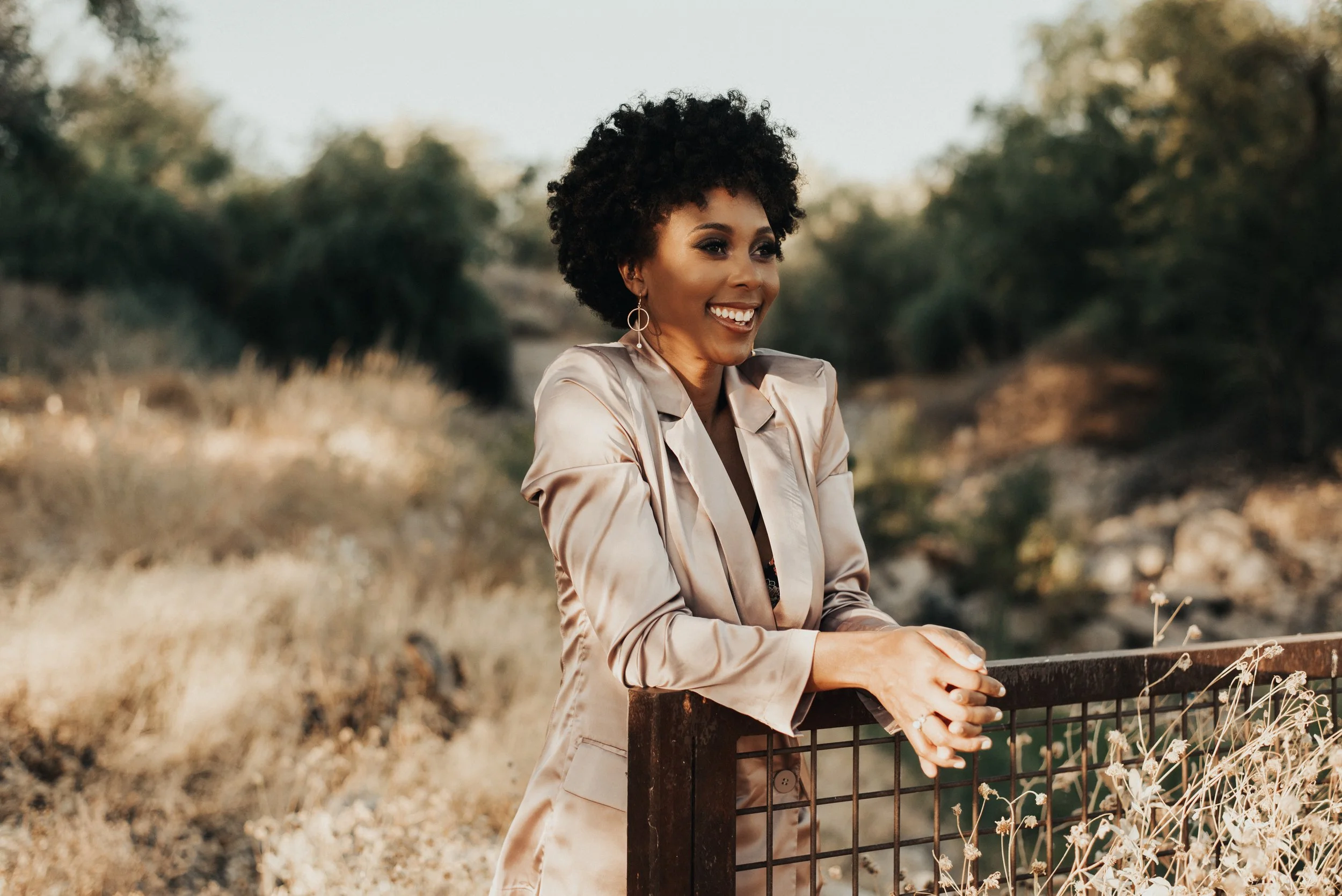
Hi, I’m Ms. Marisha. I’m an educator turned Creator-in-Residence, storyteller, and founder of The Exit Strategy Network.
I partner with brands, schools, cities, communities, and institutions ready to move beyond content and build regenerative culture through storytelling, enrichment, experience design, and community-centered strategy.
Explore my background
Read more on Creator-in-Residence
Watch my news clip
Let’s connect on a discovery call
